|
|
- Drainage Advisery Services(DAS), A Component of the Left Bank Outfall Drain(LBOD ) - Stage 1 Project
Plan for Operation and Maintenance: Strengthening LBOD Drainage Advisory Services (DAS)
Deparment for International Development (DFID)/WAPDA, Government of Pakistan
(Aug 1996 - Dec 1998)
The Drainage Advisory Services component of the LBOD project was funded by the DFID and Raasta has worked on this project in association with Mott McDonald of UK. There were three levels of Raasta's input into this long-term project: development and implementation of a participatory training programme for the DAS staff and community-based beneficiaries (men and women); planning and development of a programme for the design and production of a range of information materials about the project to be targeted at farmers of limited literacy and; assistance in the development and implementation of strategies for beneficiary participation, particularly women. The Raasta team has used its efforts for the production of over 100 research studies, strategy papers, conference papers, quarterly and monthly reports, training manuals and materials.
Selected Output
Research Papers
- Gender Themes in LBOD
Impact of Drainage on Environment: Rural Women and LBOD
Research Studies
Exploration of Landownership, Control and Transfers
(Nov 1998 )
Knowledge Attitudes and Practices (KAP) Study in Relation to LBOD Inputs
(Mar 1998 )
Gender Relations Within Family Household
(Feb 1998 )
A Rapid Assessment of Child Labour in the LBOD Project
(Dec 1998)
Working Papers Plan for Operation and Maintenance (POM)
- POM/ 1
Plan for Operation and Maintenance: Participation of Women
(Nov 1996)
- POM/ 2
Plan for Operation and Maintenance: Cooperation and Partnership with NGOs
(Nov 1996)
- POM/ 3
Plan for Operation and Maintenance: Beneficiary Participation
(Nov 1996)
- POM/ 4
Plan for Operation and Maintenance: Rural Women and LBOD - An Exploratory Study
(May 1997)
Workshop Reports
- Report on Community Consultation/Exhibition
(Nov 1996)
- Report on Activity Plan Water and Sanitation
(Oct 1996)
- Report on Framework Plan Water and Sanitation
(Oct 1996)
- Progress Reports
Completion Reports
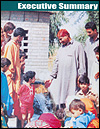
- Executive Summary
(April 1998)
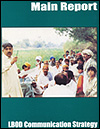
- Main Report
(April 1998)
- Supplementary Supporting Volumes
(April 1998)
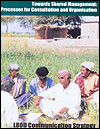
- SVI: Towards Shared Management: Processes for Consultation and Organization
- SV2: Working with Women: Gender, Development and Participation
- SV3: Working with Other Agencies
- SV4: Working with Communities: Testing Pilot Approaches
|
|
 |
 |
|
- Archives Supplements (April 1998)
- AS 1: Resource Pack
- AS 2: Consultation and Organizations: Reports and Field Records
- AS 3: Social Gender Research and Programmes
- AS 4: Potential Partners: Notes on Collaborative Activities
- AS 5: Mirpurkhas Pilot Documents
- AS 6: DAS: Formulation and Progress
Communications Materials
- Leaflets
- General Introduction of LBOD
- Benefits of LBOD-Case Study evidence from Farmers
- Drilling Wells
- Electrification
- Drainage and Scavenger Wells
- Damage to Drainage Wells
- Tidal Links
- Brochures
- Communication Strategy
- Role of Tidal Link in the LBOD-Stage 1 Project
- Videos
- A Story of Prosperity
- Damage to Drainage Embankments
- Tidal Links
- Children's Comic
- Coping with life and Salinity
2. World Bank – Assisted Sindh Rural Water Supply, Sanitation & Health Project
World Bank/Rural Development Department, Government of Sindh(GoS)
(Dec 1992 - Mar1996)
This was a World Bank assisted project being implemented by the Rural
Development Department, GoS for the provision of water supply and sanitation systems in villages in Sukkur and Larkana Divisions. Raasta was one of a consortium of three consulting Companies that provided services to the Rural Development Department, GoS. Raasta's inputs consisted of several full time and part time senior professionals, who covered the community development, training, health education, research, government - NGO - private sector collaboration and documentation components. Outputs included a range of research reports, briefing papers, strategy papers, training modules, workshop reports, monthly and quarterly reports as well as manuals, MIS reports and joint papers.
Selected Output
Background Reports - Socio-Economic and Demographic Profile of Sindh
- Community Development Experiences in Pakistan- An Overview
- Non-Governmental Organizations: A Potential Resource for Water Sanitation and Hygiene Education Projects
- Communication and Orientation
- Ground Water Conditions for Hand pumps - Sukkur and Larkana Districts
- Report on Computerization of RDD
- Report on Sukkur and Larkana Districts Hydrogeological Conditions and Hand pump Wells
Briefing Papers
- Detailed Process of Community Development in Pilot Villages
- Results of Preliminary Assessment Survey of Nine Pilot Project Villages in Sukkur and Larkana
- Community Development Progress in 18 Project Villages
- Training Programme
- District Community Development Strategy
- Report of the First Project Orientation Course
- Preliminary Outline for Three Level Seminars/Workshops
- Well Screening Testing
- Evaluation of Hand pumps
- Status of the Training Component As of 30 June 1994
- Summary of Progress
- Summary of Workplan
- Hygiene Education Reference Handbook
- Summary of Progress (January 1995)
- Summary of Workplan (January-June 1995)
- Operational Plan
- Strategy Papers
- Monthly Reports
- Joint Papers with PHED
- Occasional Papers
3. Comprehensive Capacity Building Programme for Government and NGOs in Planning and Management: UNICEF-Assisted Water Supply, Sanitation and Hygiene Project: Training, Modules & Workshops
UNICEF/Rural Development Department, Government of Sindh
(Apr 1991 - Jan 1993)
The main purpose of this project was the capacity building of field staff of the UNICEF assisted water supply, sanitation and hygiene projects in Sindh. Raasta's inputs included the development of a three tier training system with master trainers at the apex, field staff in the middle and the community at the base. Outputs included pretesting and finalization of a set of 10 comprehensive training modules, a series of workshops for planning and development staff of the Rural Development Department, two handbooks (English and Urdu versions) and research inputs, as well as audio visual and promotional materials.
(July 1992 - Dec 1994)
Selected Output
Handbooks
- The Community Development and Hygiene Education Resource Handbook (in English and Urdu)
- The Technical Resource Handbook (in English and Urdu)
Modules
- The Project
- Organization of Training and Training Cycle
- Supervision, Monitoring and Evaluation
- Community Participation and Mobilization
- Technical Module for Engineers (Part I & II)
- Module for Hand pump Caretakers
- Latrine Promotion and Construction
- Organization - Building and Institutionalization
- Communication Skills for Community Participation
- Hygiene Education
4. Early Detection of Impairments Among Children in Government Primary Schools
UNICEF/Directorate of School Education, Karachi
(Mar 1991 - Nov 1994)
This was a comprehensive capacity building programme with five components: A screening survey, experts' workshop on childhood impairments in government schools, development of a referral system, guidebook for teachers, training of trainers workshop for supervisors. Output included survey reports, workshop reports, handbook from the consolidated material of the workshops, guidebooks and a computer programme.
Selected Output
- Final Report on the Project "Early Detection of Impairments in Primary School Children" District East, Karachi
(Aug 1994)
- Observation Report on the Training of Teachers Workshop on Early Detection of Impairments in Female Primary Schools, District East, Karachi (May 1994)
- Teachers' Handbook on Classroom Detection of Impairments (in English and Urdu, 1991)
- Report on Training of Trainers Workshop on Early Detection of Impairment in Primary School Children
(Nov 1991)
- Report of the Screening Survey of Children with Impairments in Government Primary Schools
(Nov 1991)
- Report of the Experts Workshop on Early Detection of Impairments in Government Primary School Children
5. The Salvation Army: Institutional Support Programme
The Salvation Army, Pakistan
(June 1994 – October 1997)
Raasta provided long term institutional development support to The Salvation Army in Pakistan to assess, redesign and restructure its planning and management system and development programmes particularly in the health and education sectors. The aim was to assist in the conversion of a top down service delivery programme into a community based bottom-up participatory programme. Raasta's input include several research studies, several sharing workshops in Punjab and Sindh, a series of six workshops for policy makers and field staff, modules developed specifically for The Salvation Army use, and a range of consulting inputs ranging from development of proposals to concept papers to implementation programmes.
Selected Output
- Evaluation of the Adult Literacy Programme (ALP) in 18 Villages in Punjab (Dec 1994)
- Baseline Survey of Chak 133 (Jan 1995)
- Evaluation of the Primary Health Care Programme in Pakistan
Volume I : Punjab (July 1995)
- Evaluation of The Salvation Army's Primary Health Care Programme in Pakistan, Volume 2: Sindh (Nov 1995)
- Proposal on Community Based Integrated Development Through Primary Health Care and Adult Literacy Programmes (Aug 1996)
- Module no. 1: Decision - Making and Leadership (in English and Urdu, 1997
- Module no. 2: Planning and scheduling for Implementation (in English and Urdu), 1997
- Module no 3: Supervision, Monitoring and Evaluation (in English and Urdu), 1997
6. Institutional Support to Balochistan Rural Support Programme (BRSP)
Federal Republic of Germany and the Provincial Government of Balochistan, The BRSP's programmes
(Feb 1996 – October 1996)
Funded by the Federal Republic of Germany and the Provincial Government of Balochistan, the BRSP's programmes include rural credit, livestock, agriculture, marketing artisans support, health education, human resource development, non-formal education and infrastructure development. Inputs of Raasta to this long term commitment included the development of strategies and concept papers, project proposals and funding requests, as well as the design and execution of needs, resources and input assessments and defined research studies.
Selected Output
- Situation Analysis Study of the Lasbela District
Volume I: Executive Summary
- Situation Analysis Study of the Lasbela District
Volume II: A Resource Assessment Survey
- Situation Analysis Study of Lasbela District
Volume III: A Baseline Survey
- Concept paper
District-based Development: Collaboration of Government, NGOs, Private Sector and People (Apr 1996)
- Technical proposal
Qilla Saifullah and Pishin Rural Support Programme
- Technical and Financial Proposal
Lasbela Rural Support Programme
- Technical Proposal
Quetta/ Mastung Rural Support Programme and Barkhan/Musakhel Rural Support Programme
7. Capacity Building of Pakistan Girl Guides Association (PGGA) of Pakistan
UNICEF
(July 1991 - July 1994)
Raasta designed and implemented a comprehensive capacity building programme for the Girl Guides Association of Pakistan on how to plan and implement community development projects. The first part of the programme consisted of a training needs assessment, development of modules in Urdu and a ten-day workshop, which was extensively documented as it, was an experimental activity. The project made a pioneering contribution to community development literature, in the form of Urdu training modules on project development and management and sets of Urdu reference materials. This was followed by a National Training Programme for Guide Trainers. Each workshop included two days in the field for a baseline survey as part of a need assessment, and project proposals based on the need assessment. Finally training material workshop series on volunteerism was developed. Based on this work PGGA has carried out over 200 training programmes at government level.
Selected Output
- Workshop Report, Training Module and Series of Workshops on "Volunteerism” Lahore and Islamabad
- Urdu Module on Project Development and Management for Guide Trainers (1991)
- Jamal Goth Family Survey Report (Nov 1991)
- The Unwanted Child: Family Size and its Impact on Violence Against Children
Paper Presented at the First National Conference on Child Abuse in Pakistan Organized by Pakistan Pediatric Association, Peshawar
(Oct 1991)
- Report of the Workshop on Project Development and Implementation for Guide Trainers (Sept 1991)
- Guide Book
- Training for Development of Volunteer Leaders for PGGA
- Project Proposals from each Workshop, which will be actually implemented by the Girl Guides
|
|